
Top Greece Tours: Seasons, Sights And Stays
Greece tours open the door to old temples, bright harbours and clear blue water. First-time visitors, couples, families, friends and solo travelers all find a trip that fits. Some tours walk through ancient ruins with a guide. Others sail between quiet coves, stop for a swim, or share a long lunch by the sea.
This guide covers the whole country, from the mainland to the islands. It shows what to see, which kinds of trips people choose, and what usually comes with each one. My Greece Tours shares more ideas for planning. With a little care, every traveler can shape a trip that feels easy and personal.
What Are The Best Greece Tours In The Classical Sites?
The best Greece tours in the classical sites join Delphi, Mycenae, Epidaurus and Olympia on one route. A good guide tells the old stories in plain words. Many travelers compare Greece tours and Tours In Greece before they choose a route that suits their pace. Each site adds a fresh chapter to one ancient story.
What draws travelers to the classical sites?
Delphi sits high on the slopes of Mount Parnassus. The ancient Greeks saw it as the centre of their world. People came here to ask the oracle, a priestess who gave answers from the god Apollo. Further north, the monasteries of Meteora perch on top of huge rock towers, where monks still pray.
In the Peloponnese, the citadel of Mycenae, a walled royal fortress, sits behind the famous Lion Gate. Legend says King Agamemnon ruled from here. Nearby, the theatre at Epidaurus carries a soft voice from the stage to the very top row. Ancient Epidaurus was also a healing place, much like an early hospital.
Nafplio is an elegant harbour town with narrow lanes, old mansions and a castle above the bay. Many visitors stop here to wander along the waterfront. At Ancient Olympia, visitors walk into the stadium where the ancient Olympic Games took place. Heading back, the Corinth Canal shows a deep, narrow cut through solid rock.
What kind of Greece tours reach the classical sites?
Shared tours with only a few guests suit travelers who like a relaxed pace and time to ask questions. Solo travelers often enjoy the easy company. Full-day trips from Athens by coach are a practical choice for first-timers. They reach Delphi or Mycenae and return to the city by evening.
Guided walking tours inside each site work well for curious minds and older children. Families who prefer their own rhythm can buy entry tickets instead and explore at their own pace. Couples wanting a deeper experience often pick multi-day tours with hotel nights, which link several sites without rushing.
Friends often mix both styles of Greece tours, with a coach trip one day and a free wander the next. That way, nobody misses the famous sights or the quiet moments. Mixing styles also keeps costs balanced.
Which comforts are part of Greece tours in the classical sites?
A licensed guide turns broken columns into real stories. In Greece, these guides complete serious training and know each site well. A local guide also adds small details, like where to stand for the best view or which path stays in shade. That kind of insight is hard to get from a sign.
Entry tickets included in Greece tours save time at busy gates. Travelers skip the ticket line and walk straight in with their guide. This saves stress, especially in summer, when queues grow long under a hot sun.
On multi-day trips, hotel nights are part of the plan. Guests do not need to search for rooms or carry bags between towns. A quiet night in Nafplio or near Meteora also means an early start before the crowds arrive.
What should you remember in the classical sites?
Start early whenever possible. The classical sites are open hillsides with little shade, and the midday sun feels strong. Spring and autumn bring softer light and fewer visitors, which makes long walks more pleasant for everyone. Snacks help on long drives between sites. Visits near closing time work well too.
Wear shoes with reliable grip, since old stone paths can be smooth and uneven. Bring a hat, sunscreen and a refillable water bottle. A light scarf helps at Meteora, where visitors must cover their shoulders and knees inside the monasteries. A small backpack keeps hands free for photos and railings.
How Can You Get More From Greece Tours In Athens?
You get more from Greece tours in Athens by pairing the Acropolis with a slower part of the city. Leave room for food, markets and a sunset view. This balanced mix keeps the day lively and interesting without wearing anyone out, even younger children.
What draws travelers to Athens?
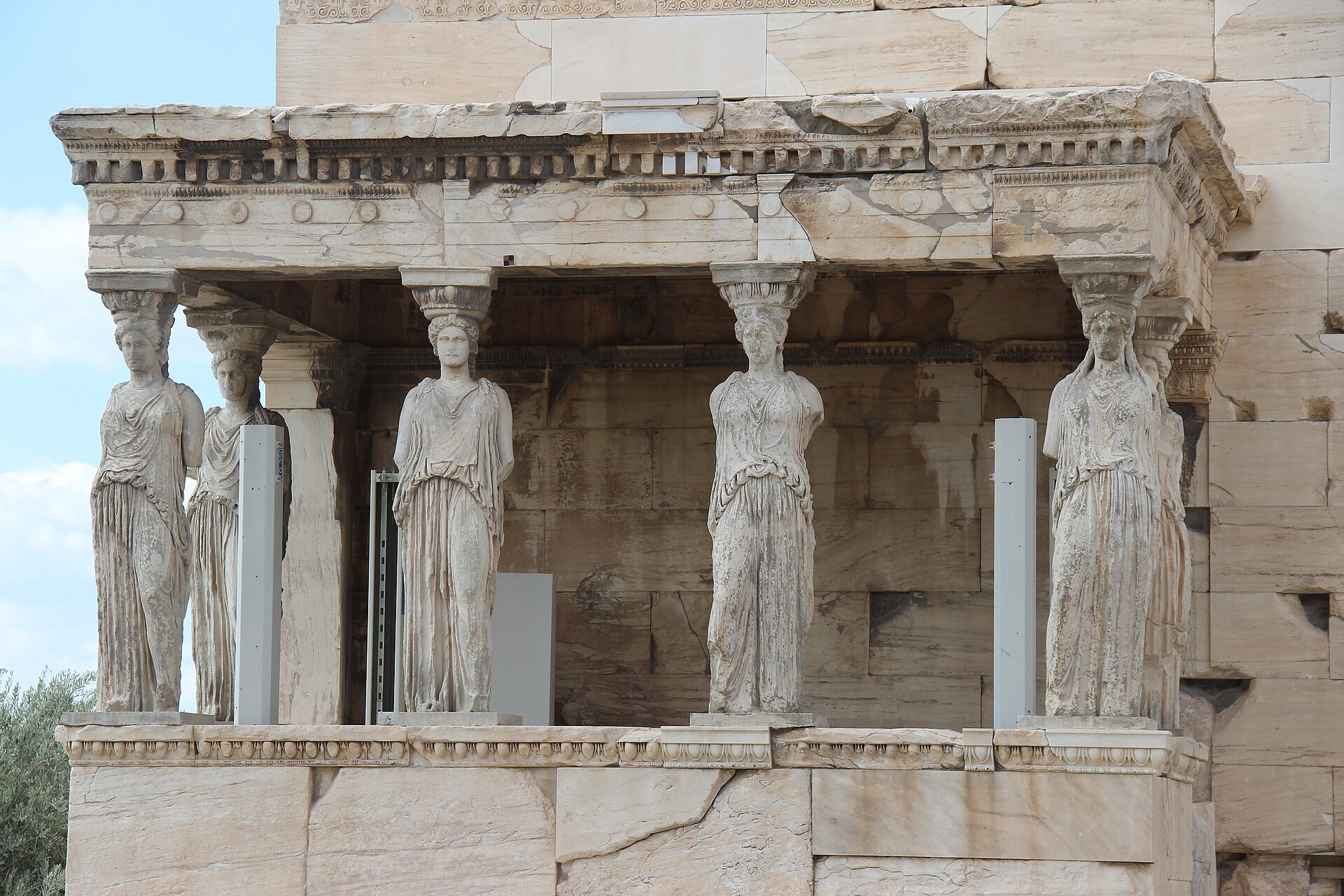
The Acropolis rises above the city like a crown. Its name means high city, and the Parthenon at the top honours the goddess Athena. Next to it stands the Erechtheion, with its graceful stone women holding up the porch roof. Many visitors join guided Acropolis tours to hear these stories.
At the foot of the hill, the Acropolis Museum keeps many original statues safe from wind and rain. Its glass floors reveal ancient ruins below. The Ancient Agora was the old market and meeting place, where people shopped, argued and voted. The giant columns of the Temple of Olympian Zeus stand nearby.
Plaka and Monastiraki fill the old town with cafés, small shops and a lively flea market that peaks on weekend mornings. For a wide view, people ride or walk up Lycabettus Hill at dusk. Further south, the Temple of Poseidon at Cape Sounion stands on a cliff above the sea, a classic sunset excursion.
What kind of Greece tours reach Athens?
Private tours with a driver-guide suit families and couples who want comfort and freedom. The price covers the whole car, not each person, so it can work well for a few friends sharing. The same idea applies at sea, where a skipper takes guests along the coast on a private boat.
Boat cruises with swim stops leave from the Athens coast toward nearby islands. They suit anyone who wants a break from city heat. Guided walking tours cover the Acropolis, Plaka and the Agora at an easy pace, which works well for first-timers and solo travelers.
Food lovers often book cooking classes and wine tastings. These Greece tours teach traditional family recipes and pair them with local wines. They make a fun evening for couples and friends. Many classes end with a shared meal around a long table.
Which comforts are part of Greece tours in Athens?
On boat days, lunch or a BBQ meal is often served on deck. Fresh food restores energy after long swims, and vegetarian dishes can usually be arranged. Drinks are normally included, and some cruises offer them without limit, which helps on hot afternoons.
A licensed guide matters most at the Acropolis. Signs on the hill are brief, and a good guide fills in the history, the myths and the building techniques. A local guide also knows quiet corners of Plaka that most visitors walk past. That local knowledge makes the visit feel personal.
Wine tastings add a relaxed close to a busy day of sightseeing. Swim stops on the coast give the same kind of break. They also give children and older travelers a chance to rest. Both comforts help Athens days feel like a holiday, not a lesson.
What should you remember in Athens?
Visit the Acropolis as soon as it opens or late in the day. The marble reflects heat, and the hill has almost no shade. Book entry for a set time if you can, and save the museum for the hottest hours. Late afternoons often feel calmer in Plaka too.
Wear flat shoes with grip, because the marble steps are worn smooth and slippery. Carry water, sunscreen and a hat, and pack swimwear and a towel for boat days. Keep a light layer for windy evenings at Sounion or on Lycabettus Hill. Small change helps at kiosks and cafés in Plaka.
How Do Visitors Enjoy Greece Tours In Crete, Rhodes And Corfu?
Visitors enjoy Greece tours in Crete, Rhodes and Corfu by mixing old palaces and castles with beach days. Each island has its own food, music and history. Staying a few nights on one island makes the trip feel unhurried. Local guides add warm, everyday stories about island life.
What draws travelers to Crete, Rhodes and Corfu?
On Crete, the palace of Knossos sits just outside Heraklion. It belonged to the Minoans, an early people who lived on the island long before classical Athens. Legend links it to King Minos and the Minotaur. In Heraklion, the archaeology museum shows bright wall paintings and fine jewellery from the palace.
Chania has a Venetian port, built when rulers from Venice held the island. Its lighthouse, pastel houses and harbour cafés glow beautifully at night. To the west, Balos lagoon shines in pale blue and turquoise, with soft white sand. The shallow, warm water is perfect for slow wading. Boats and dirt tracks both lead there.
On Rhodes, the Street of the Knights crosses a walled town from the Middle Ages, where knights lived in stone inns. Above Lindos, a hilltop acropolis looks over a sparkling bay. Corfu guards its old town with mighty fortresses. Further south, the Blue Caves of Zakynthos glow a vivid blue in the sun.
What kind of Greece tours reach Crete, Rhodes and Corfu?
Private tours with a driver-guide suit families who want flexible stops and a calm pace. The price covers the whole car, so friends travelling together can share the cost. At sea, a private skipper can take a couple or a family to quiet coves near Chania or Lindos.
Boat cruises with swim stops are the easy way to reach Balos lagoon or the Blue Caves. They suit nearly everyone, from solo travelers to grandparents. Full-day trips by coach work much like the classic outings from Athens. On Crete, they link Knossos with mountain villages and olive groves.
Cooking classes and wine tastings bring guests into family kitchens and small vineyards. Many classes start with a walk through a local market. Couples and food lovers often call these Greece tours the highlight of the trip.
Which comforts are part of Greece tours in Crete, Rhodes and Corfu?
Many boat trips include lunch or a BBQ meal, often grilled fish or chicken with Greek salad. Drinks accompany the meal, and some cruises pour them freely all day. Guests can relax without packing a cooler or hunting for a beach taverna. Sweet fruit usually ends the feast.
A licensed guide brings Knossos and the old town of Rhodes to life. Without one, the ruins can feel like a confusing maze. Good Greece tours also leave free time to explore. Travelers can then shop, swim or sit in a café at their own speed.
Wine tastings on Crete and Rhodes show off local grapes that most guests have never tried. Swim stops in clear water are the simple joy many visitors remember most. Both help a long day feel easy and fun.
What should you remember in Crete, Rhodes and Corfu?
Plan one island at a time, since the crossings between them are long. Book boat trips for calm mornings, when the sea is usually flatter. Balos and the Blue Caves fill up fast in high summer, so an early departure pays off. Late afternoon light is lovely for photos in Chania.
Bring reef-safe sunscreen, a hat and water shoes for pebbly beaches. A light shirt helps on boat decks with little shade. For Knossos and the Lindos acropolis, go early and wear sturdy sandals or trainers. The steep path at Lindos can be slippery. Keep cash for village cafés, where cards are not always taken.
How Should You Plan Greece Tours In The Aegean Islands?
Plan Greece tours in the Aegean islands around ferry links and calm seas. Pick a base, then add day trips by boat to nearby islands. This keeps packing to a minimum and leaves more time on the beach. Island hopping works best with a flexible, unhurried itinerary.
What draws travelers to the Aegean islands?
On Santorini, the village of Oia draws crowds at sunset, when white houses and blue domes turn gold and pink. Boats sail out to the dark volcano in the middle of the bay. Guests climb its rough slopes, then swim to the hot springs, where the water turns a rusty orange.
Mykonos is famous for windmills, lively nightlife and sandy beaches. A short boat ride away lies ancient Delos, a sacred island where the Greeks said Apollo and Artemis were born. Today it is an open-air museum of temples, mosaics and marble lions. Boats to Delos leave from the Mykonos old port.
On Milos, the white rocks of Sarakiniko look like the surface of the moon. On Naxos, a giant marble gateway, called the Portara, frames the sea at dusk. Paros hides Lefkes, a quiet hill village of stone lanes. A guide to Greek islands for first-timers helps match each island to the right trip.
What kind of Greece tours reach the Aegean islands?
Private tours with a skipper suit couples and families who want a boat to themselves. The price covers the whole boat, so friends can share it. On land, a private driver-guide shows Santorini or Naxos at a calm pace. Shared tours with only a few guests suit solo travelers who like company.
Boat cruises with swim stops are the classic choice, from the Santorini volcano to the bays of Milos. Snorkel and beginner scuba trips suit teens and adults who want to see fish and sea caves up close. Travelers based in Athens can still join full-day trips by coach to the port, then sail on.
Cooking classes and wine tastings round out these Greece tours. Santorini wineries grow vines on volcanic soil, and island kitchens teach simple dishes with local cheese. Few evenings feel more relaxing.
Which comforts are part of Greece tours in the Aegean islands?
Most day cruises serve lunch or a BBQ meal on board, with grilled meat, salads and fruit. Drinks are part of the deal, and on some boats they are unlimited. That means guests can spend the whole day at sea without worrying about food.
Snorkel gear comes with many boat trips, so there is no need to pack masks or fins. Crew members often show beginners how to breathe calmly through the snorkel. Swim stops in clear coves are the heart of island days, and children love jumping from the deck.
Wine tastings add a gentle end to the day. On Santorini, many tastings take place on terraces with a view of the bay, often near sunset. Guests learn how island vines are woven into low baskets to shelter the grapes from the wind.
What should you remember in the Aegean islands?
Check the wind before any boat trip. The strong summer wind, called the meltemi, can make the sea choppy, so morning departures are often calmer. In Oia, the lanes get very crowded at sunset, so arrive well before the light starts to fade. Ferry timetables also change with the weather, so allow some flexibility.
Pack swimwear, a towel, reef-safe sunscreen and a hat in one small bag. Sandals with grip help on Sarakiniko and Delos, where rocks and marble are uneven. On Delos, shade is rare, so bring extra water. Carry a light jacket for evening ferries, plus seasickness tablets if rough water bothers you.
Conclusion: Top Greece Tours, Planned Well
Greece tours work best when they match the way you like to travel. The classical sites reward curious minds, Athens blends history with food, and the islands bring boat days and long swims. Each region offers guided walks, coach days, private trips and tastings, so every traveler finds a good fit.
Start with the regions that excite you most, then add the comforts that matter, like a licensed guide or a swim stop. For quieter days, many travelers choose authentic private tours in Greece. With smart timing and the right shoes, Greece tours become the trip people talk about long after they get home.
Frequently Asked Questions About Top Greece Tours
Can Greece tours start from a cruise port?
Yes, many Greece tours start right at the cruise port in Piraeus, Santorini, Mykonos, Rhodes or Corfu. Guides meet guests near the ship and plan the day around boarding time. Private tours are the most flexible choice when time ashore is short, since the guide can adjust every stop.
Are Greece tours good value?
Greece tours are often good value, because they bundle transport, a guide, entry tickets and sometimes lunch. Buying each part alone can cost more and take more effort. Shared tours keep costs low, while private trips give more freedom and personal attention for the money.
How early should you book Greece tours?
For summer, book Greece tours a few weeks ahead, especially boat trips and sunset cruises. Spring and autumn dates are easier to find at shorter notice, and last-minute spots do appear. Popular Acropolis time slots and island cruises usually sell out first, especially on weekends.
Do Greece tours include lunch?
Many boat cruises and multi-day Greece tours include lunch, and some serve a BBQ meal on deck. Walking tours and short city trips usually leave meals to you, with time to stop at a taverna. Check the itinerary before booking so nobody goes hungry.
Can you change Greece tours after booking?
Most Greece tours allow changes or free cancellation if you ask in good time. The rules differ from trip to trip, so read the cancellation policy carefully before you pay. Boat trips may also move to another day when strong winds make the sea unsafe.
Do Greece tours include hotel pickup?
Many Greece tours include hotel pickup, especially coach day trips from Athens and private tours. Some boat cruises offer pickup from central hotels or a meeting point near the port. The tour details always say which option applies, so check them before you book.
How do you find the meeting point for Greece tours?
Read the booking note the day before, save the meeting point on an offline map and arrive early. Most Greece tours start beside a clear landmark, such as a square or port. Arriving with time to spare keeps the start calm for couples, families, friends and solo travelers alike.
Check the booking details early
Every booking note lists a meeting place, a start time and often a map pin or photo. Read it again the evening before, since Greece tours sometimes move the spot because of traffic, roadworks or weather. Saving the provider’s phone number also helps if anything changes on the morning itself.
Write down the name of the nearest square, church or café as a useful backup. Many street signs use only Greek letters, so a few basic phrases make a real difference. A short list of essential Greek phrases for travelers makes asking for directions much easier.
Parents should allow extra time for snacks, toilet stops and small legs that walk slowly. These family-friendly Greece travel tips help with the planning side of busy mornings. A calm arrival sets a good mood for the whole day on Greece tours.
Reach the start by ferry, bus or on foot
On the islands, many Greece tours meet near the harbour or the main bus stop. Ferries can run late when the wind is strong, so pick a crossing that lands well before the start. These tips for ferry travel in Greece explain what to expect at busy ports.
During the busy summer season, ferry seats sell out quickly on popular routes. Reading about Greek ferry booking tips helps travelers pick the right route, seat and day. Booking early also leaves room to change plans if the sea turns rough before island Greece tours.
In Athens, the metro, tram and city buses reach most central meeting points at low cost. This practical guide to exploring Greece by public transport covers tickets, routes and handy apps. A taxi is the easy choice for very early starts, before the first trains run.
How do you decide between private and shared Greece tours?
Pick private Greece tours for full control over pace, stops and timing. Pick shared Greece tours for a lower cost and the chance to meet other travelers on the way. Both choices visit the same famous places, so the decision comes down to budget, comfort and personal style.
When a private tour makes sense
Private Greece tours suit families with young children, travelers with limited mobility and couples marking a special trip. The guide speaks only to them, so every question gets a full answer. Breaks happen whenever someone feels tired, hungry or curious.
A private day costs more than a shared seat, yet the price is split among everyone in the booking. Hotel pick-up is often part of the deal, which saves time and stress. Routes can also bend to include a beach, a village or a small winery.
Food lovers gain a lot from a private tasting walk, since the guide can match stops to their tastes. A good list of Greek food to try on tour helps everyone order with confidence later on. Picky eaters and vegetarians also find it easier to speak up in private.
When a shared tour makes sense
Shared Greece tours suit solo travelers, students and anyone watching their budget. The route and starting time are already fixed, which makes daily planning simple. Meeting people from other countries adds an easy, friendly side to the experience.
Seats on shared Greece tours fill fast in summer, so early booking matters. Checking the best time to visit Greece helps balance weather, crowds and cost. Spring and autumn bring softer heat, calmer sites and easier booking for most Greece tours.
People booking for parents, cousins or a circle of friends should compare both options side by side. This complete guide for trip organizers walks through budgets, dates and common mistakes. A quick message to the provider also clears up what each ticket includes.
Why do guided Greece tours help?
Guided Greece tours turn old stones into clear stories. A trained guide explains what each place was for, keeps the day on time and answers questions on the spot. Only state-licensed guides may lead visitors inside Greek archaeological sites and museums, so the facts come from trained experts.
Stories that bring ruins to life
Without a guide, many ruins look like broken walls and fallen columns. A guide explains that a temple was a house for a god, while an agora was the old market square. Suddenly, a quiet field becomes a busy ancient city again in the visitor’s imagination.
Museum visits work the same way. A guide picks out the most important objects and explains them in everyday language. Visitors no longer wander past glass cases without any context, and even short museum stops on Greece tours become memorable.
Guides on Greece tours also point out small details that most visitors walk past. These include marks left by builders, worn steps and carvings of gods and heroes. Children love the myths, which turn a hot morning into an adventure story.
Many guides share living customs too, not just ancient ones. Their advice on how to experience local Greek traditions covers name days, coffee habits and village dances. Such practical tips help visitors feel welcome rather than confused.
Help with timing, tickets and local life
Guided Greece tours handle tickets, timing and the best route through each site. Guides know where the shade falls and where to find cool water. That leaves more energy for looking around, asking questions and enjoying the experience.
Guides also know what is happening in town that week. A list of seasonal events to see in Greece shows how much local life changes from spring to winter. Easter, summer saint days and the grape harvest all add colour to Greece tours.
Festivals bring music, food and dancing to any trip. This guide to Greek festivals to experience lists the highlights by season. A local guide can often suggest one nearby that fits the travel dates.
How do you plan rest around Greece tours?
Leave a free day after long Greece tours, avoid stacking early starts and rest through the hottest part of the afternoon. A slower plan keeps everyone fresh and happy. Rest days also leave room for beaches, cafés and the unplanned moments people remember most.
Build slow days into the plan
Full-day Greece tours often start early and involve hours of walking in the sun. Mixing busy days with quieter ones keeps energy levels steady across the whole holiday. A beach afternoon or a slow café morning works well between big outings.
Families benefit most from this rhythm, since children usually tire faster than adults. In many Greek towns, shops close for a few hours in the afternoon, and locals rest too. Visitors can follow the same habit with a nap or a swim.
A rest day needs no big plan, just a slower pace. Simple ideas that work well between Greece tours include the following:
- A slow swim at the nearest beach
- A long lunch at a shady taverna
- A nap through the afternoon heat
- An evening walk in the old town
- A quiet hour in a small museum
Sleep, heat and water on tour days
Summer heat in Greece is strong, especially at open sites with little shade. Drink water often, wear a hat and put on sunscreen before leaving the hotel. Light, loose clothes help the body stay cool on summer Greece tours.
A good night’s sleep matters before early Greece tours. Ferry days and long drives count as tiring days too, even when the body sits still. A relaxed evening after any long transfer helps everyone recover properly.
Listening to the body is the most important rule of all. Skipping one tour to rest beats feeling sick for the rest of the trip. Checking the change rules at booking makes that choice much easier.
Which Greece tours travel by coach?
Coach Greece tours link Athens with famous mainland sites such as Delphi, Meteora and the old cities of the Peloponnese. Seats are comfortable, and the driver handles every road. Travelers simply sit back, watch the hills roll past and save their energy for the sights.
Classic mainland routes by coach
Day trips from Athens often head to Delphi, once home to a famous oracle. An oracle was a priestess whom people visited for advice from the god Apollo. This practical guide to ancient Greek ruins explains how to make the most of such a visit.
Longer Greece tours by coach cross the Corinth Canal into the Peloponnese, the large peninsula in the south. Stops include the ancient theatre at Epidaurus, the fortress city of Mycenae and the seaside town of Nafplio. Reading some Greek history you should know makes each stop easier to follow.
Further north, coach Greece tours reach Meteora, where monasteries sit on top of tall rock pillars. Monks built them long ago to stay safe and close to God. Many Greece tours stop for the night nearby, so visitors see the rocks glow at sunrise.
Comfort and stops on the road
Modern coaches have air conditioning, reclining seats and large windows. Drivers take regular breaks at roadside cafés, which gives everyone time to stretch and grab a snack. Children and older travelers find these pauses especially welcome.
Some routes pause in mountain towns with stone houses and narrow lanes. These short stops show a side of the country that busy ruins rarely reveal. Anyone curious can read about traditional Greek villages to visit and plan a return trip later.
Coach Greece tours also suit travelers who prefer not to drive on unfamiliar roads. Mountain bends and city traffic can feel stressful on holiday. Leaving the wheel to a local driver keeps the day relaxed for couples, families and solo visitors.
Families with small children should bring snacks, water and something to keep young minds busy. Coach Greece tours can involve long stretches of road between sites. A favourite book or a downloaded game makes the miles pass quickly.
Which Greece tours travel by boat?
Boat Greece tours include day cruises from Athens, sunset sails around Santorini and trips to beaches that roads cannot reach. The sea itself becomes part of the experience. Clear water, fresh air and island views make these trips favourites with travelers of every age.
Day cruises and island hopping
From the coast of Athens, day cruises visit the nearby islands of Aegina, Poros and Hydra. Hydra bans cars, so donkeys and water taxis still carry goods and people. Each stop gives enough time for a short walk, a swim or a seaside lunch.
On other islands, boat Greece tours reach hidden coves and sea caves. In Milos, boats sail to the white cliffs and sea caves of Kleftiko, while Crete has trips to the lagoon at Balos. A list of the top beaches in Greece helps travelers choose where to swim.
Evening cruises around the Santorini caldera rank among the most popular Greece tours on the water. A caldera is a giant sea-filled crater left by an old volcano. This list of the best sunset spots in Greece shows other places where the sky puts on a show.
Sailing trips at a slower pace
Sailing Greece tours spend several days moving between quiet bays and small harbours. Guests sleep on board, swim straight off the deck and eat dinner in fishing villages. A skipper handles the boat, so no sailing skills are needed.
This guide to sailing holidays in Greece explains how cabins, routes and daily plans work. The Cyclades get strong summer winds, while the Ionian Sea is calmer for first-timers. Families with young children often prefer the gentler waters.
Anyone prone to seasickness should pick larger boats and sit near the middle. Looking at the horizon and eating light meals also helps. Checking the weather the day before avoids rough crossings on boat Greece tours.
Which Greece tours explore on foot?
Walking Greece tours cover old city streets, ancient sites and mountain trails. They move at an easy pace and reach places that no coach or boat can get close to. Good shoes, water and sun protection are all a walker really needs.
City walks through old streets
In Athens, walking Greece tours often start below the Acropolis, the rocky hill crowned by the Parthenon temple. From there, narrow lanes lead through the old Plaka district, past tiny churches and shady squares. Guides explain how the city grew around its ancient hilltop.
Walking makes it easy to notice columns, arches and carved stone up close. This guide to famous Greek architecture explained shows why ancient buildings still shape modern cities. Thessaloniki, Nafplio and Chania are other great places to explore on foot.
Food walks are another favourite way to explore on foot. Walking Greece tours often pause at bakeries, markets and small tavernas for local bites. Tasting fresh bread, olives and honey turns a simple stroll into a feast.
Walking tours also suit photographers, since there is time to stop for the perfect shot. These photography tips for Greece tours cover light, angles and respectful shooting. Early morning walks offer soft light and empty streets.
Hiking trails in mountains and gorges
For more active travelers, hiking Greece tours follow trails through gorges, forests and mountain villages. The Samaria Gorge in Crete is one of the best-known walks in the country. In the north, the Vikos Gorge and the stone villages of Zagori draw keen hikers.
A list of the top hiking trails in Greece helps match each route to fitness and season. Spring and autumn suit hiking best, since summer heat makes long climbs hard. Local guides know where to find water, shade and safe paths.
Hiking Greece tours reward good planning more than speed. Guides set the pace, yet each walker still carries personal gear. Before setting out, every walker should pack these basics:
- Sturdy shoes with good grip
- Plenty of drinking water
- A hat and strong sunscreen
- Light snacks for energy
- A charged phone for maps
Which Greece tours mix several kinds of transport?
Multi-day Greece tours often mix coaches, ferries, short flights and walks. One trip can cover mainland ruins, island beaches and city streets without any stress over connections. The provider plans every transfer, so travelers simply follow the guide from one place to the next.
Coach, ferry and flight in one trip
A common plan starts with coach days to Delphi and Meteora, then a ferry to the Cyclades islands. Some trips add a short flight to Crete to save time. Each change of transport brings a new view of the country.
These Greece tours suit first-time visitors who want to see a lot without planning every link. Luggage moves with the traveler, and hotels are booked in advance. Guides share local stories during each transfer, so even travel time feels useful.
Museum visits fit neatly between the moving parts of such trips. This Greek art and museums guide shows which collections deserve a stop in Athens, Heraklion and beyond. Seeing the real objects after walking the ruins brings the whole story together.
Trains, jeeps and kayaks
Some Greece tours add a ride on the old mountain railway from Diakopto to Kalavryta. The small train climbs through a deep green gorge beside a rushing river. It makes a fun change from coaches, especially for children.
On Crete and other large islands, jeep safaris bounce along dirt roads to remote beaches and villages. Sea kayaks slip into caves that bigger boats cannot enter. This guide to adventure activities in Greece lists more ways to explore by land, sea and air.
Mixing transport keeps long Greece tours fresh and full of variety. A slow boat morning followed by a short mountain walk feels very different from a full day on the road. Travelers who like variety often find these mixed trips the most memorable.
Which places do Greece tours visit?
Greece tours visit bright Cyclades islands, ancient sites on the mainland and large, green islands with long beaches and mountain villages. Most trips mix a few of each, so travelers see ruins, beaches and village life in one holiday. The lists below show the places that appear most often on Greece tours.
Islands
The Cyclades are a circle of dry, rocky islands in the middle of the Aegean Sea. Whitewashed houses, blue doors and windmills make them the classic picture of Greece. Ferries link them closely, so Greece tours often visit several of them in a single trip.
- Santorini: white cliff-top villages and famous sunsets over a giant volcanic crater
- Mykonos: lively beaches, windmills and the narrow lanes of its old town
- Naxos: long sandy beaches, mountain villages and a giant marble temple doorway
- Paros: fishing harbours, calm villages and easy ferry links to nearby islands
- Milos: white volcanic rocks, colourful boathouses and sea caves for swimming
Mainland
The mainland holds the most important ancient sites in the country. Many lie within a day’s drive of Athens, so Greece tours can reach them without any flights. Each one tells a different part of the long story of ancient Greece, from myths to real kings.
- Athens: the Acropolis, great museums and lively neighbourhoods full of tavernas
- Delphi: the mountain home of the ancient oracle of the god Apollo
- Meteora: monasteries perched on top of tall, smooth rock pillars
- Olympia: the birthplace of the ancient Olympic Games and its stadium
- Mycenae: a hilltop fortress city of ancient kings with the famous Lion Gate
Large islands
The large islands feel like small countries of their own, with mountains, towns and many beaches. Greece tours here often use a single base and explore by day. Each one has its own airport, plus regular ferry links to the mainland.
- Crete: the ancient palace of Knossos, deep gorges and long sandy beaches
- Corfu: a charming old town with Venetian forts and green hills
- Kefalonia: turquoise bays, an underground cave lake and pretty harbour villages
- Zakynthos: the famous Shipwreck Beach, blue sea caves and sea turtles
How do you plan Greece tours over ten days?
Spend the first days in Athens, then add mainland sites such as Delphi or Meteora, and finish on a couple of islands. This order keeps travel time low and saves the relaxing beach days for the end of the trip. Well-planned Greece tours balance busy sightseeing days with quieter ones.
Start in Athens
Athens is the natural first stop, since the main international airport sits just outside the city. The first full day usually covers the Acropolis, the Acropolis Museum and the old Plaka district. Evenings suit a rooftop dinner with views of the lit-up Parthenon high above the city.
Another day can cover the National Archaeological Museum, the ancient Agora and a market walk. The Agora was the old market square where people met, traded and argued about politics. Spare time fits a sunset trip to the Temple of Poseidon at Sounion.
Travelers who want a ready-made plan can study this Athens, Santorini and Mykonos itinerary and stretch it out. Adding a few extra days turns a busy week into a relaxed trip. Greece tours from Athens also make it easy to see more without renting a car.
Food is a big part of any visit to Athens. Evening food walks pass bakeries, meze bars and souvlaki stands in lively central neighbourhoods. Sharing small plates in several places beats one heavy dinner and gives a better taste of the city.
Add the mainland sites
Next, Greece tours by coach head to Delphi and Meteora, often as an overnight trip. Delphi shows where ancient people came for advice from the gods. Meteora shows monasteries balanced on giant rock towers above a quiet green valley.
Those who prefer ancient cities can head south into the Peloponnese instead. That route covers Mycenae, the theatre at Epidaurus and the pretty seaside town of Nafplio. Olympia fits in too, for anyone keen to run on the old stadium track where ancient athletes raced.
Travelers who like freedom can mix guided days with time on their own. Tips on self-guided itinerary planning help with trains, buses and hotel choices between tours. A blend of both keeps costs lower and the schedule flexible.
Mountain roads take longer than maps suggest, so overnight stays make these trips far more pleasant. A night in Kalambaka, the town below Meteora, allows a sunrise visit before the crowds. The small village at Delphi also has cosy hotels with valley views.
Finish on the islands
The final days belong to the islands, where the pace slows down. A ferry or short flight from Athens reaches Santorini, Naxos or Paros. Pairing one busy island with one quiet island gives a good balance between nightlife and rest.
This guide to Greek island hopping explains how to link islands without wasting time at ports. Fewer islands with longer stays feel calmer than rushing between many. Greece tours on the islands often include boat trips, wine tastings and village walks.
Families with young children can pick islands with shallow, sandy beaches, such as Naxos or Paros. Couples often add Santorini for its views, while friends enjoy the lively side of Mykonos. Solo travelers find easy company on island Greece tours and in busy harbour cafés.
Spend the last night close to the airport or the ferry port before the flight home. Strong winds sometimes delay ferries, which can upset tight plans at the very end. A relaxed final evening in Athens or near the port ends the whole trip on a calm note.
More questions about Greece tours
Greece tours raise practical questions about clothes, shoes, water and free time, and the short answers below cover the most common ones. Each answer helps couples, families, friends and solo travelers plan with confidence.
Do Greece tours give time for shopping?
Yes, most Greece tours leave some free time in town centres, where visitors can browse local shops, markets and small family-run stores. Popular buys include olive oil, thyme honey, dried herbs, natural sponges and handmade ceramics. Asking the guide for honest shop tips helps avoid tourist traps.
What should you wear on Greece tours?
Wear light, loose clothes in breathable fabrics, plus a hat and sunglasses, since most sites offer little shade on summer days. Monasteries and churches ask visitors to cover their shoulders and knees. A thin scarf or light shawl in the day bag solves this problem quickly.
Do Greece tours provide water?
Many full-day Greece tours hand out bottled water on coaches and boats, but travelers should still carry their own refillable bottle. The booking page lists whether water, snacks or lunch are part of the deal. Drinking small sips often matters most during the strong summer heat.
Can you add free time to Greece tours?
Yes, travelers can add free time by booking single-day Greece tours instead of long packages. Open days between them suit beaches or rest. Private tours also allow longer stops at favourite places on request, which suits slower travelers.
Which shoes suit Greece tours?
Closed walking shoes or sturdy sandals with good grip suit Greece tours best. Ancient marble paths and old town lanes are often smooth and slippery. New shoes should be broken in at home, and flip-flops belong on the beach rather than on ruins.
Can friends join Greece tours from different hotels?
Yes, friends staying at different hotels can join the same Greece tours by booking together and listing each pick-up address. Many providers collect guests from several central hotels or set one shared meeting point. Confirming the plan with the provider a day ahead avoids missed pick-ups and confusion.
See more in Idravlikosathina: